
Ori and the Blind Forest Ending Explained: Kuro's Choice
Explore the Ori and the Blind Forest ending, from Kuro's sacrifice and Naru's return to the last egg, parental love, and the meaning of Nibel's renewal.
Jump to
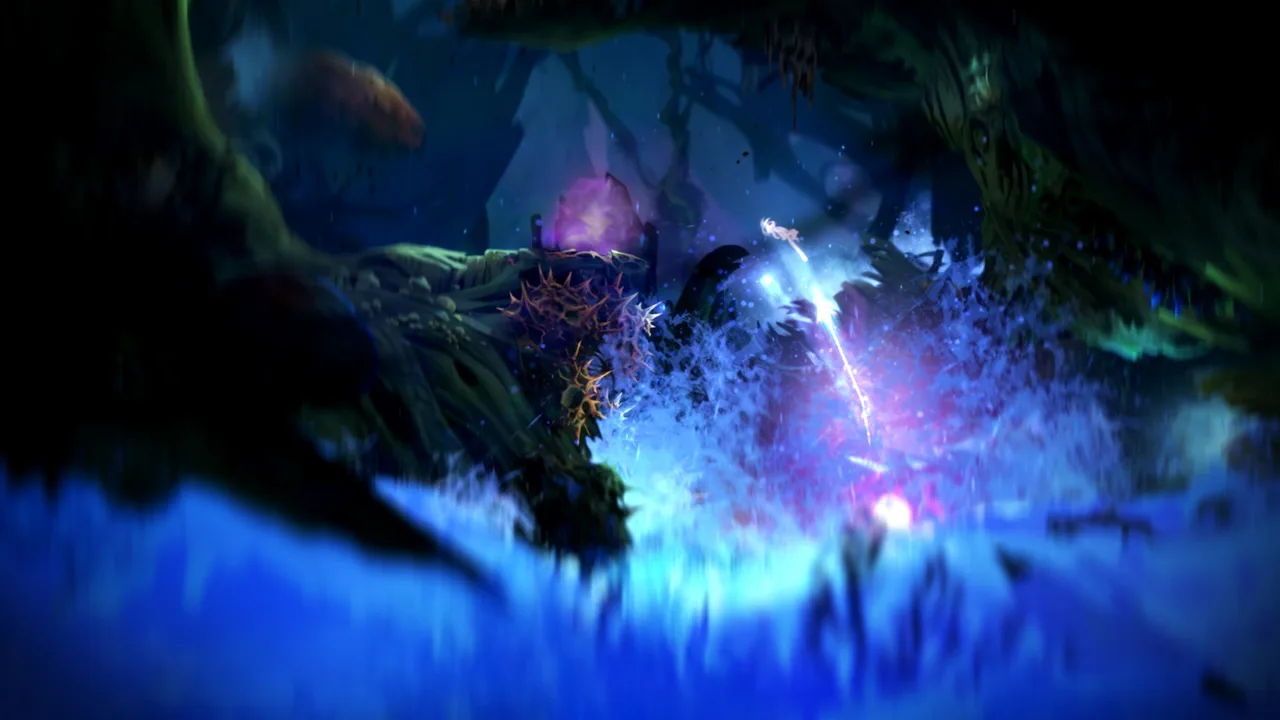
What Happens in the Ori and the Blind Forest Ending?
The Ori and the Blind Forest ending saves Nibel through a mother's heartbreaking decision: Kuro sacrifices herself to protect her last egg. Naru's love for Ori helps Kuro recognize the suffering her revenge has caused, giving the final confrontation its emotional turning point. Understanding the Ori and the Blind Forest ending means following how grief, compassion, and parental love bring these characters together.
Full story spoilers follow.
The immediate outcome is hopeful. The forest survives, Naru returns, and Kuro's remaining egg receives care. Yet that recovery carries a permanent cost: Kuro dies, and the children she lost remain gone.
That combination explains why the closing scenes can feel comforting and painful at the same time. The characters gain a future without receiving an answer to every injustice that brought them here.
| Story thread | Ending outcome | Emotional significance |
|---|---|---|
| Nibel's decline | The forest is saved | Recovery becomes possible |
| Kuro's revenge | Kuro sacrifices herself | Protecting her egg becomes her decisive priority |
| Naru's death | Gumo brings Naru back | Ori's compassion leads to help in return |
| Kuro's last egg | Naru takes it into her care | Parental love continues beyond Kuro's death |
Keep those outcomes separate when thinking through the finale. Saving the forest resolves the immediate crisis, while Kuro's death leaves the story with a loss that its hopeful closing images cannot erase.
The central question is how Kuro reaches that final decision. To understand it, you need to remember what the Spirit Tree's light cost her.
Official page: Ori and the Blind Forest (store.steampowered.com)
Why Kuro Changes Her Mind
Kuro's hostility begins with the death of her chicks. The Spirit Tree releases its light while searching for Ori, and that light kills Kuro's young. Her remaining egg gives her something desperately precious to protect.
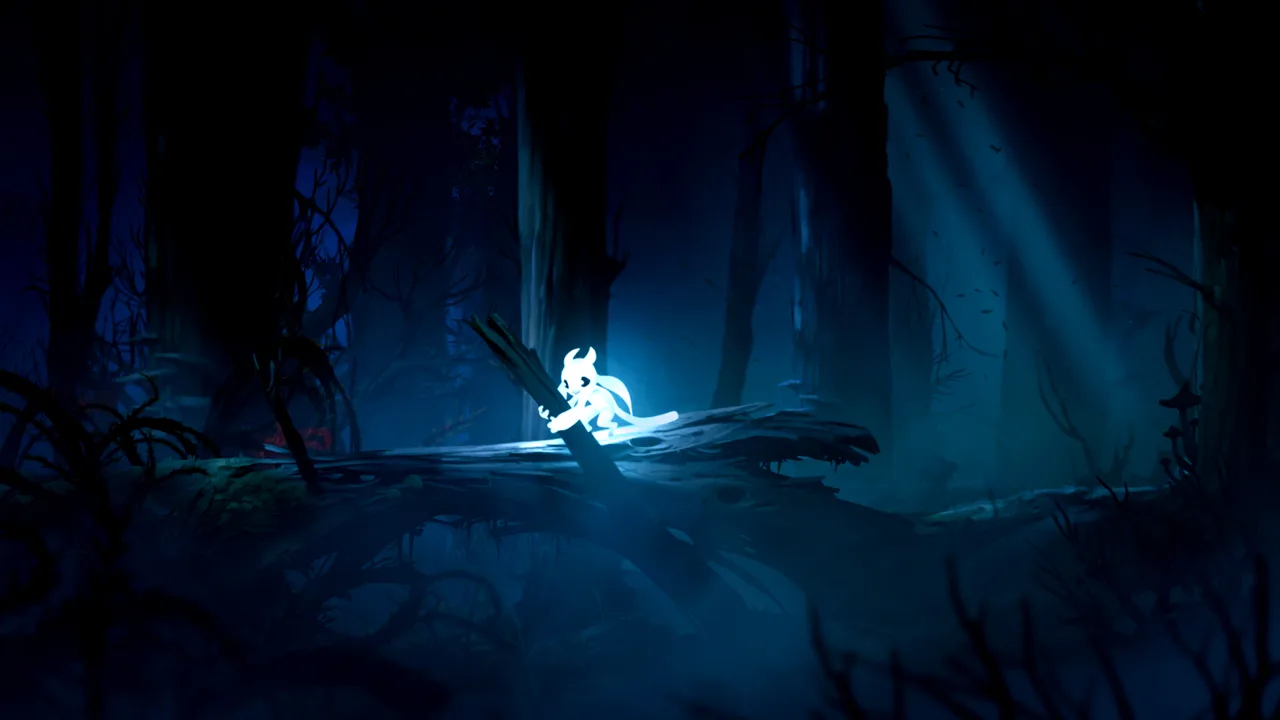 Image: Steam / Moon Studios GmbH
That history changes the meaning of her attacks. From Ori's side, Kuro threatens a dying home. From Kuro's side, the forest's spiritual center has already destroyed her family.
The Spirit Tree's search also grows out of attachment: it has lost Ori and reaches outward. Both sides act because they care about someone, but the consequences of those actions fall terribly unevenly.
Naru Makes the Damage Personal
Naru's presence gives Kuro a view of parental grief outside her own family. Seeing Naru care for Ori brings the connection into focus: the suffering Kuro experienced is also something her actions can inflict.
This is the emotional hinge of the Ori and the Blind Forest ending. Kuro recognizes another parent facing loss while her own last egg faces danger from the destruction spreading through Nibel.
Her final choice brings those concerns together. Saving the forest protects the future her revenge is threatening, including the future of her remaining child.
| Character | Loved one or attachment | How that love shapes the story |
|---|---|---|
| Spirit Tree | Ori | Reaches out after losing Ori |
| Naru | Ori | Provides care and becomes essential to Kuro's change of heart |
| Kuro | Her children | Seeks vengeance, then sacrifices herself to protect her egg |
| Ori | Naru and home | Continues the journey after devastating loss |
Her Sacrifice Leaves an Injustice Unresolved
Kuro's sacrifice has particular force because her original suffering remains real. Her chicks do not return. The catastrophe that started her revenge receives no neat correction.
You can understand her decision and still feel angry about what happened to her. That tension gives the ending much of its weight.
Watch her final choice with both parts of her story in mind: she has inflicted terrible harm, and she is a bereaved mother trying to preserve the family she has left. The finale asks you to hold those truths together.
How Naru's Return Connects to Ori and Gumo
Naru's resurrection can feel startling after an opening built around separation and death. Her return also has a clear connection to Ori's earlier behavior.
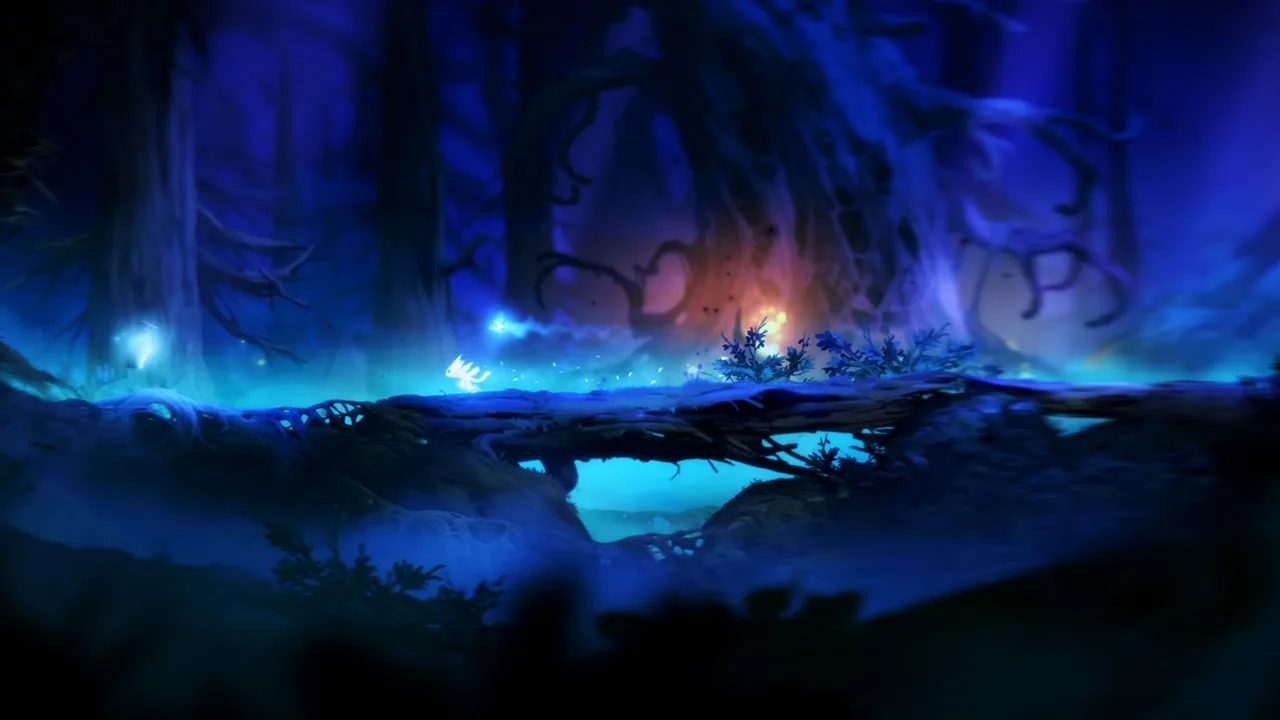 Image: Steam / Moon Studios GmbH
Ori helps Gumo. That act of compassion changes their relationship and leads Gumo to help Naru. Naru's return then makes possible the encounter that helps Kuro reconsider her actions.
The Ori and the Blind Forest ending therefore reaches back to a moment of mercy away from the final confrontation. Helping Gumo sets a chain of compassionate actions in motion.
| Act of care | What follows | Connection to the finale |
|---|---|---|
| Ori helps Gumo | Gumo responds with compassion | An earlier kindness creates another act of help |
| Gumo revives Naru | Naru returns to the story | Her presence becomes crucial to Kuro's realization |
| Naru shows her love for Ori | Kuro recognizes another parent's pain | Revenge becomes harder to separate from its victims |
| Naru cares for Kuro's egg | Kuro's remaining child receives protection | Care reaches across the conflict |
Gumo's role deserves attention here. His own story involves isolation and the loss of his people. Helping Naru gives him a meaningful part in restoring connection among the survivors.
Ori's kindness matters because it reaches someone who is hurting. Gumo carries that kindness forward, and its effects eventually reach Kuro.
Why Naru's Resurrection Can Feel Complicated
Naru's return changes the emotional terms of the opening. If her death felt like the central wound of Ori's journey, bringing her back can make that wound feel too easily repaired.
That reaction makes sense. A story that asks you to sit with loss creates expectations about how its characters will live afterward.
At the same time, Naru's return performs an essential role in the ending. She gives Kuro a recognizable image of parental love and grief. Through her, the story connects the family introduced at the beginning with the family whose destruction drove the conflict.
Read her resurrection alongside those consequences. It restores a relationship, carries forward Gumo's response to Ori, and helps make Kuro's final decision possible.
What the Ending Says About Love, Loss, and Responsibility
The Ori and the Blind Forest ending brings several themes together without giving every character the same resolution.
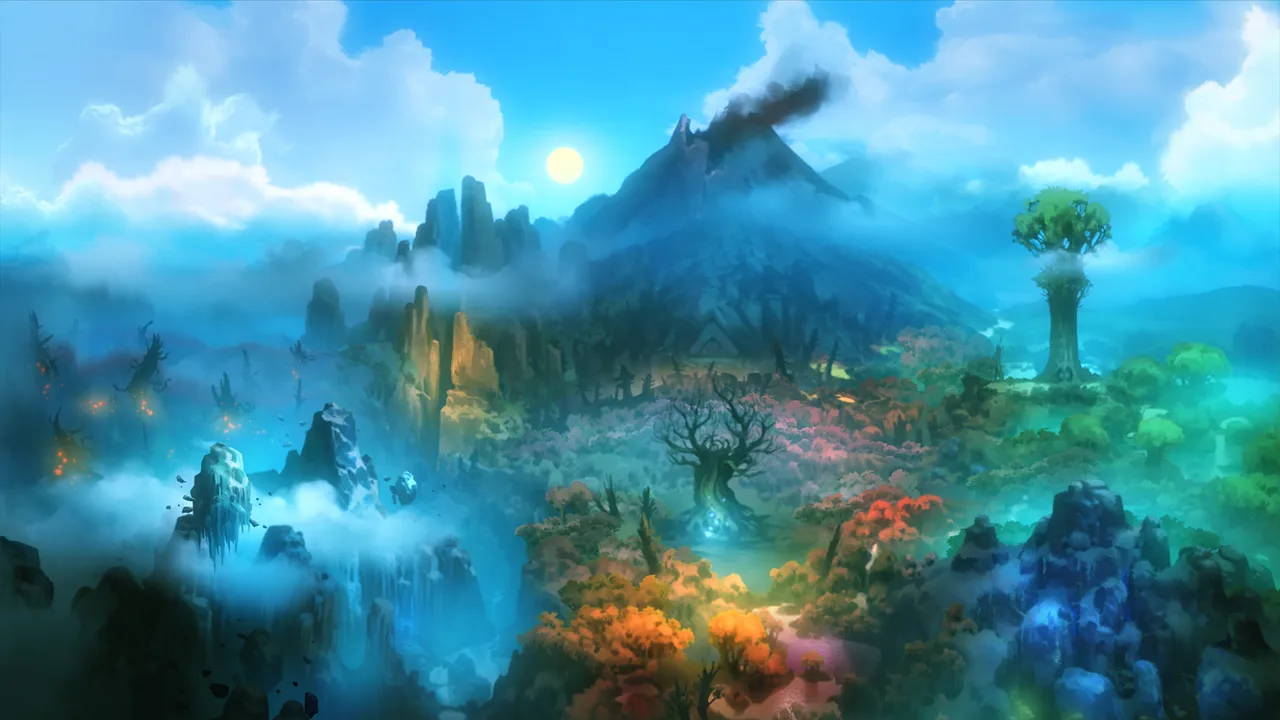 Image: Steam / Moon Studios GmbH
Naru's family receives renewal. Kuro's story ends in sacrifice. Gumo finds connection after isolation. Nibel survives through choices made by characters whose grief has pulled them in different directions.
Those outcomes make the finale richer than a simple reward for completing Ori's journey.
Love Can Have Destructive Consequences
The Spirit Tree searches for Ori out of attachment. Kuro attacks after losing her young and fearing for her egg. Naru's devotion shapes Ori's life.
Love drives each of these relationships, but loving motives do not prevent harm. The Spirit Tree's light devastates Kuro's family, and Kuro's retaliation threatens lives throughout the forest.
The ending makes responsibility visible through consequences. Kuro finally acts to prevent further destruction even though the pain behind her anger remains.
| Theme | Story example | What to consider |
|---|---|---|
| Parental love | Naru and Kuro each protect a child | Their emotional connection crosses their opposing roles |
| Grief | Kuro retaliates after her chicks die | Suffering can spread through actions taken in response |
| Compassion | Ori helps Gumo | Care can travel beyond the original relationship |
| Sacrifice | Kuro gives her life | The forest's recovery has a lasting personal cost |
| Renewal | Naru nurtures the surviving egg | A future becomes possible through continued care |
Hope Coexists With Permanent Loss
Calling the ending happy captures its warmth, but leaves out Kuro's fate. Calling it tragic captures her death, but leaves out Naru's return and the forest's survival.
“Bittersweet” fits because its hopeful and painful elements remain present together.
The Ori and the Blind Forest ending gives the survivors somewhere to go emotionally. They can care for each other, rebuild relationships, and protect a vulnerable life. None of that requires forgetting Kuro.
For players, the egg makes that idea concrete. It is a living responsibility left behind by someone whose story ended. Caring for it gives the closing scenes a purpose beyond celebrating survival.
Details to Focus on When Revisiting the Finale
Revisit the closing sequence with the relationships in mind. The story communicates much of its meaning through gestures, visual parallels, and the way one character responds to another's distress.
Start with these points:
- Compare Naru and Kuro as parents. Follow their shared desire to keep a child safe, even as their circumstances place them on opposing sides.
- Remember the reason for the Spirit Tree's light. Its search for Ori connects the opening separation to Kuro's bereavement.
- Trace Gumo's contribution. Connect Ori's decision to help him with his later decision to help Naru.
- Keep Kuro's egg in view. Her remaining child gives her final sacrifice a specific, personal purpose.
- Notice who continues caring afterward. Naru's protection of the egg carries the story's compassion into the future.
These connections help explain why the final confrontation depends so heavily on recognition. Kuro sees a familiar kind of love in someone else, and that recognition changes what she chooses to do.
The Ori and the Blind Forest ending also rewards remembering the opening's intimacy. Before the forest's crisis becomes the focus, the story asks you to care about a small household and the bond between Naru and Ori. The finale returns to that emotional scale through another parent and another endangered child.
Give the closing images room to land. Nibel's survival answers the adventure's central crisis, while the care surrounding Kuro's egg answers a quieter question: what will the survivors do with the future her sacrifice gives them?
Their response is to nurture it. That makes the ending hopeful while preserving the cost of reaching it.
FAQ
What does the Ori and the Blind Forest ending mean?
The ending connects grief, parental love, and compassion. Kuro sacrifices herself to protect her remaining egg, while Naru's care for that egg extends kindness beyond the conflict. Nibel gains a future that still carries the memory of loss.
Why does Kuro sacrifice herself?
Kuro acts to save her last egg from the destruction threatening Nibel. Naru's love for Ori helps her recognize the suffering her revenge has caused, prompting her final change of heart.
How does Naru come back to life?
Gumo brings Naru back to life. His decision follows Ori's earlier kindness toward him, connecting Naru's return to the compassion Ori showed during the journey.
What happens to Kuro's last egg?
Naru takes the surviving egg into her care. Its protection gives the ending a hopeful image of parental love continuing after Kuro's death.
Continue with
 Ori and the Blind Forest Kuro: Her Story ExplainedExplore the Ori and the Blind Forest Kuro story, from her lost hatchlings and attack on the Spirit Tree to her sacrifice and her surviving egg's fate.
More in Story
Ori and the Blind Forest Naru: Her Full Story Explained
Ori and the Blind Forest Naru guide: explore her bond with Ori, her death and revival, her childhood in Definitive Edition, and her role in the ending.
Ori and the Blind Forest Story: Full Plot Explained
Explore the Ori and the Blind Forest story, from Naru's loss to Kuro's sacrifice, with a clear plot walkthrough, character motives, and ending explained.
Join the community
Game links and player communities: