
Ori and the Blind Forest Definitive Edition vs Original
Ori and the Blind Forest definitive edition vs original: compare new areas, abilities, fast travel, difficulty modes, and Steam extras before you choose.
Jump to
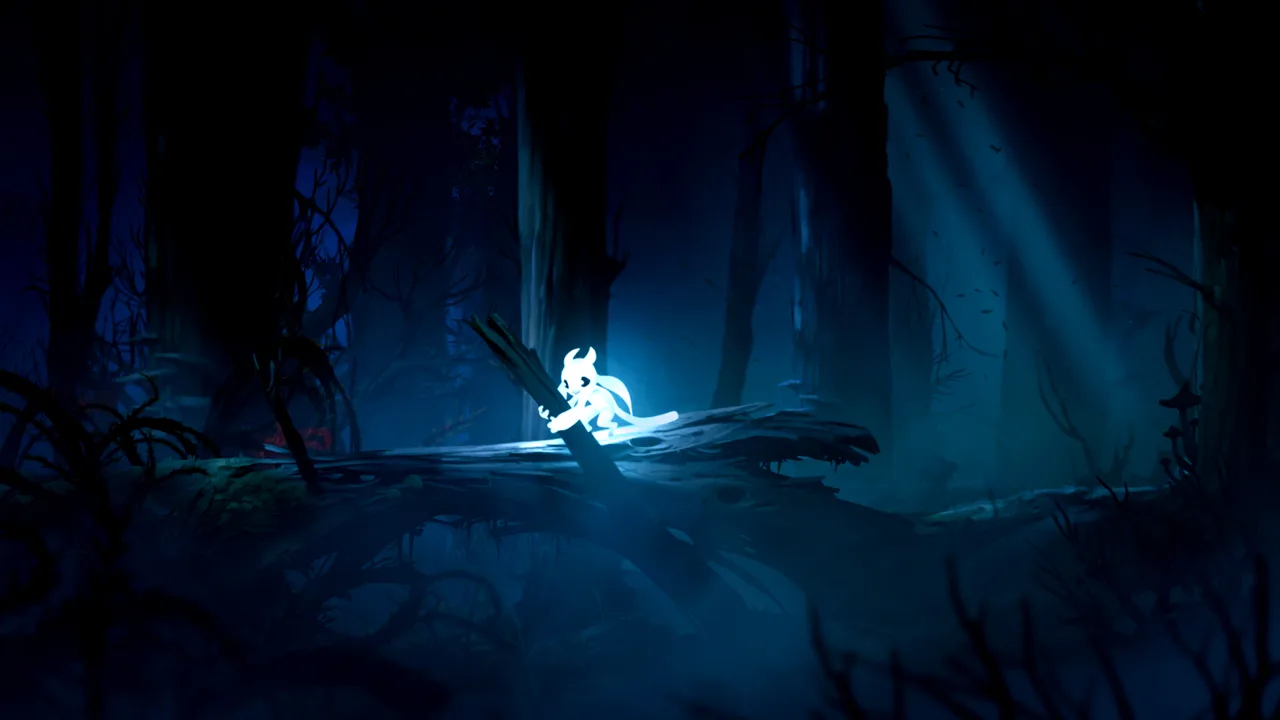
Definitive Edition vs Original: Which Should You Play?
Choose Definitive Edition for your first playthrough: it includes the original adventure alongside new environments, abilities, and exploration improvements. The Ori and the Blind Forest definitive edition vs original comparison matters because those additions change how you travel through Nibel and collect its secrets. For anyone weighing Ori and the Blind Forest definitive edition vs original, the expanded edition lets you experience the main story and extra content together.
You don’t need to finish the original beforehand. Definitive Edition follows the same central journey: Ori must help restore a dying forest through a combination of demanding platforming, exploration, and abilities that open previously inaccessible paths.
| Feature | Original | Definitive Edition |
|---|---|---|
| Main adventure | Ori’s journey through Nibel | Includes the original adventure |
| Additional environments | No Black Root Burrows or Lost Grove | Adds both environments |
| Additional abilities | No Dash or Light Burst | Adds Dash and Light Burst |
| Spirit Wells | Restore health and energy; save progress | Also allow teleportation between wells |
| Returning to completed areas | Some areas become inaccessible | Reopens previously restricted areas |
| Additional presentation features | Original presentation | Adds Theater Mode and development extras |
The reason to choose the original is interest in its earlier design. Its restrictions make collectible hunting less forgiving, and its movement lacks the two added abilities. That can appeal if you specifically want to experience the original release before comparing the changes.
For a single playthrough, though, choose Definitive Edition. You’ll keep the emotional story, hand-painted environments, and orchestral soundtrack while gaining more freedom to explore. The additions build on the adventure rather than requiring a separate introduction to its characters or world.
New Areas and Abilities Give You More to Explore
A major content difference in Ori and the Blind Forest definitive edition vs original is the addition of Black Root Burrows and Lost Grove. These environments expand Naru’s backstory and introduce challenges built around the new abilities.
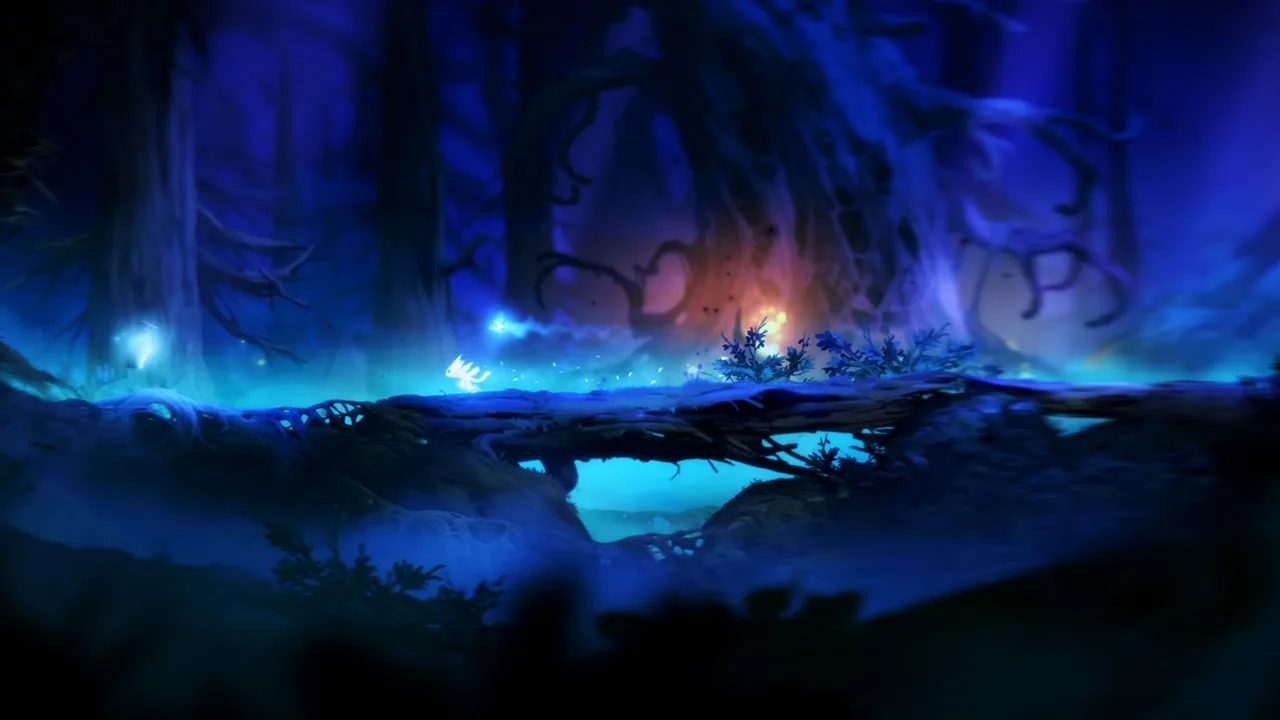 Image: Steam / Moon Studios GmbH
Black Root Burrows and Lost Grove
Black Root Burrows begins in darkness. Carrying a light through the environment becomes part of navigating its obstacles and illuminating the area. It gives the expansion a distinct atmosphere while connecting exploration with Naru’s past.
Lost Grove provides a brighter setting and continues that additional story. Together, the environments give you more context for a character whose relationship with Ori helps establish the emotional stakes of the adventure.
These areas also contain additional collectibles, including ability, life, and energy cells. Their value extends beyond extra scenery: they offer more places to practice movement, solve environmental challenges, and strengthen Ori.
Explore Black Root Burrows when you can reach it, then return to the expanded route as your abilities develop. The earlier portion is accessible before the later portion, which requires further progression. You don’t have to complete the entire addition during your initial visit.
Dash and Light Burst
In the Ori and the Blind Forest definitive edition vs original comparison, Definitive Edition’s two added abilities affect both the new environments and exploration elsewhere in Nibel.
| Ability | What it does | Exploration uses |
|---|---|---|
| Dash | Moves Ori forward quickly; an upgrade enables aerial use | Faster movement through familiar terrain and additional movement options |
| Light Burst | Throws a ball of light | Activates special lanterns, opens certain routes, and attacks enemies |
Dash gives movement a sharper burst of speed. Once you’re revisiting familiar paths, that extra mobility changes the rhythm of traveling between obstacles. Its aerial upgrade adds another option to Ori’s movement toolkit.
Light Burst has a stronger connection to environmental puzzles. Special lanterns respond to it, opening access to secrets and rewards. It also has combat uses, so its role extends beyond solving a single type of obstacle.
Revisit suspicious routes after acquiring these abilities. Definitive Edition includes secrets associated with its expanded toolkit, and some paths depend on the new powers. If you’re following a map or collectible checklist, use one made for Definitive Edition so its routes match your game.
The expansion’s appeal is how these additions connect: new environments teach new skills, and those skills give you reasons to look again at the wider forest.
Fast Travel and Backtracking Change Collectible Hunting
For completion-focused players, Ori and the Blind Forest definitive edition vs original comes down to how freely you can revisit the map.
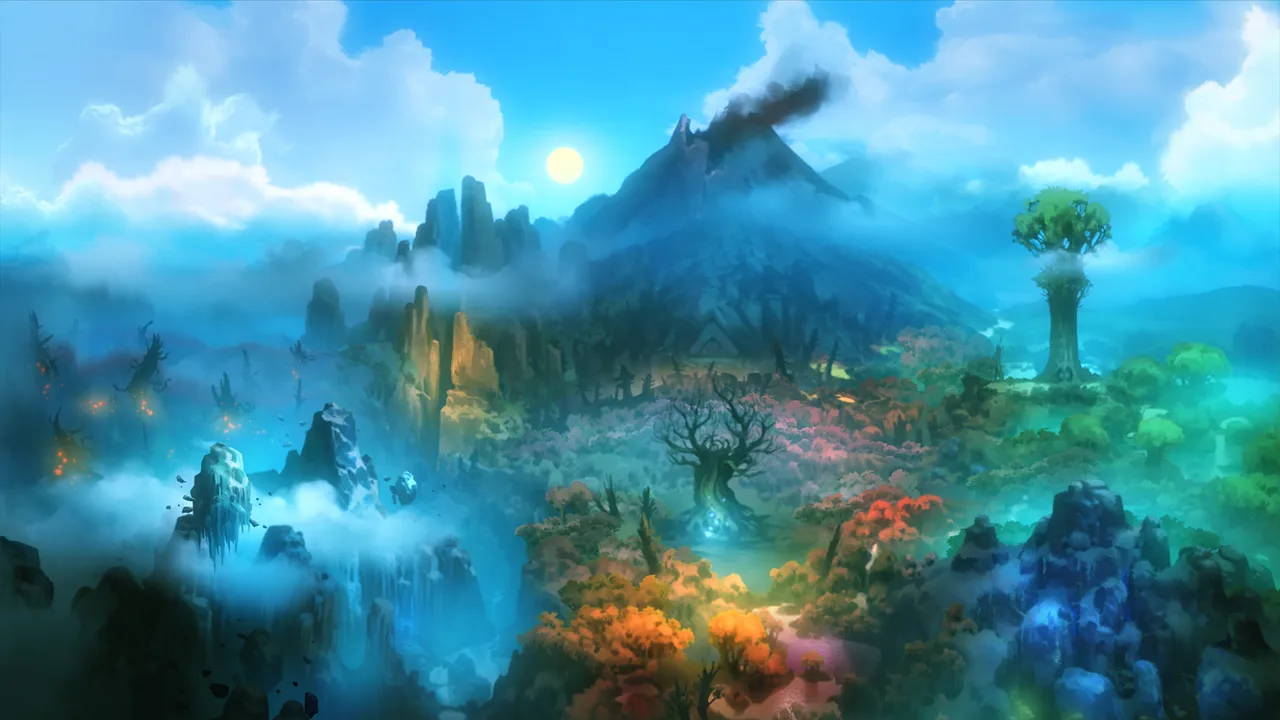 Image: Steam / Moon Studios GmbH
Both editions use the familiar Metroidvania loop: encounter an obstacle, gain an ability elsewhere, then return with the tools to get through. A ledge or barrier that stops you early can become an invitation to explore later.
Definitive Edition makes that return journey easier through Spirit Well teleportation. Wells retain their health, energy, and saving functions while also connecting travel points across Nibel.
Use Spirit Wells to shorten trips between distant regions. After arriving, explore the surrounding paths with your newest abilities rather than retracing the entire forest on foot. This is especially useful when you’re collecting scattered upgrades or investigating unfinished sections.
The other meaningful change concerns access restrictions. In the original, certain completed areas and story transitions prevent you from returning to earlier opportunities. Entering Mount Horu also commits you to the final stretch, making advance preparation important for collectible goals.
Definitive Edition lets you revisit areas that the original closed off. That gives exploration a more forgiving structure: an overlooked collectible becomes something to return for rather than an automatic reason to repeat the adventure.
Keep these distinctions in mind:
- Playing the original: inspect restricted story areas carefully before moving on.
- Playing Definitive Edition: use the expanded backtracking access to revisit unfinished regions.
- Following collectible instructions: match the instructions to your edition.
- Pursuing achievements: separate map cleanup from challenges that impose special playthrough conditions.
Access to collectibles doesn’t mean every achievement fits into an unrestricted run. Completion challenges and ordinary exploration ask different things of you. Decide whether your current goal is to enjoy the story, clear the map, or attempt a specific achievement before planning your route.
Difficulty Modes Expand the Challenge Options
Another practical part of Ori and the Blind Forest definitive edition vs original is Definitive Edition’s selection of difficulty modes.
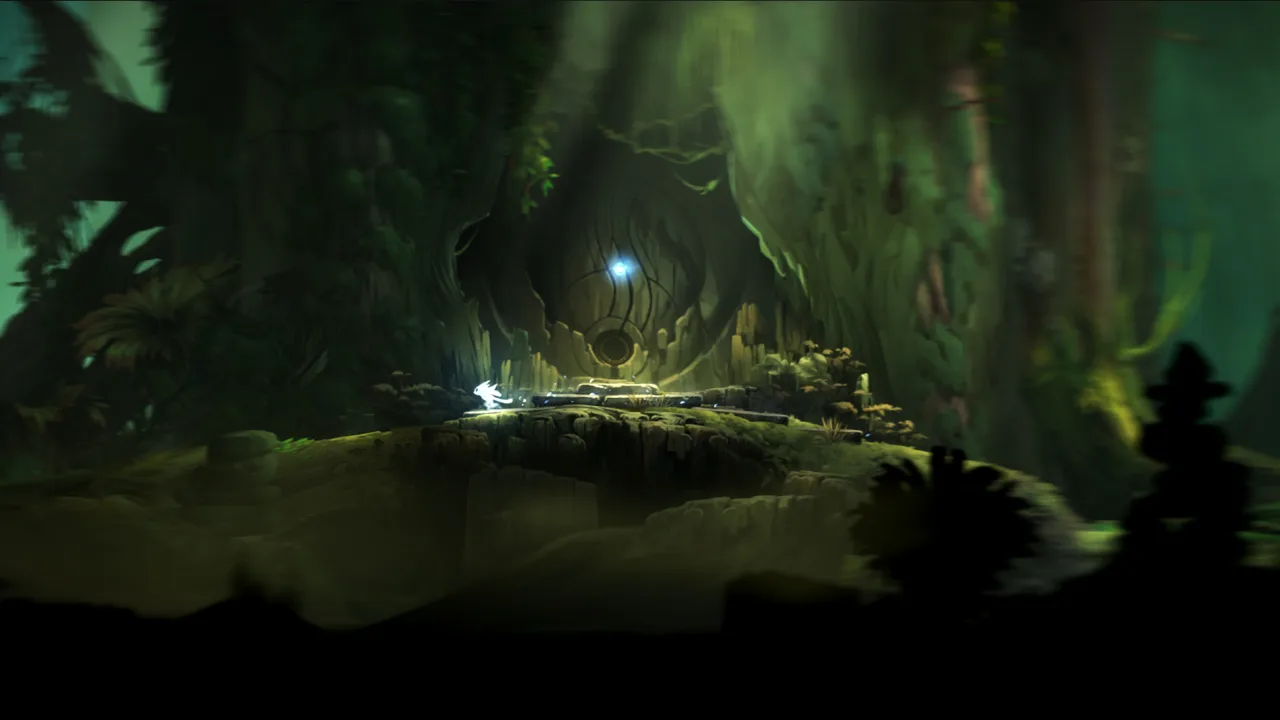 Image: Steam / Moon Studios GmbH
Ori’s gentle-looking artwork can disguise demanding platforming. The adventure places considerable emphasis on movement, timing, and navigating hazards. Even Normal provides a substantial challenge, so there’s no need to select a harder mode simply to make the platforming engaging.
| Definitive Edition mode | Challenge focus |
|---|---|
| Easy | A gentler option for concentrating on the story and environments |
| Normal | The standard challenge |
| Hard | Increased difficulty, including more punishing enemy damage |
| One Life | A death ends the run |
Choose Easy if repeated setbacks interrupt your enjoyment of the story. You still get the journey through Nibel and the opportunity to explore its environments with a less demanding difficulty setting.
Choose Normal if you want the standard experience. Ori’s movement systems provide plenty to learn without immediately adding the pressure of Hard or One Life.
Save One Life for a deliberate challenge attempt. Its defining restriction makes every dangerous section consequential. Learn the routes and movement demands before committing to a run where a single mistake ends your attempt.
Theater Mode Adds More Beyond the Adventure
Definitive Edition also includes Theater Mode, which provides access to unlocked cutscenes and extras such as concept art, promotional material, and development footage.
Rewatch unlocked scenes when you want to revisit a story moment without replaying the entire journey. The development material offers a different reason to return, particularly if the animation and painted environments are part of what draws you to Ori.
These extras won’t change how you cross a platforming section, but they give the expanded edition more value after the main adventure. Between the difficulty options and Theater Mode, there are additional ways to engage with the game beyond another standard playthrough.
Steam Ownership, Achievements, and Whether to Replay
On Steam, Ori and the Blind Forest definitive edition vs original also involves two separate library entries. That distinction matters if you already own one version or care about earning achievements in both.
Purchasing Definitive Edition on Steam includes a copy of the original for accounts that don’t already own it. You can therefore choose the expanded adventure while retaining the option to compare the earlier release.
| Steam detail | Original | Definitive Edition |
|---|---|---|
| Library identity | Separate game entry | Separate game entry |
| Achievement progress | Earned in the original | Earned separately in Definitive Edition |
| Achievement selection | Original achievement set | Includes additional achievements; 57 total |
| Storage requirement | 8 GB | 11 GB |
| Memory requirement | 4 GB RAM | 4 GB RAM |
Achievements earned in the original don’t automatically become achievements in Definitive Edition. Many objectives overlap, but each game tracks its own set. Play both only if you want to complete both versions’ achievement lists or compare their design.
The storage increase is also worth accounting for before installation. The stated processor and graphics requirements are the same across the two PC editions, alongside the shared 4 GB RAM requirement. Definitive Edition requires more drive space for its expanded package.
Is Definitive Edition Worth Replaying?
Replay Definitive Edition if the new environments, Naru’s additional backstory, and expanded movement options appeal to you. Dash and Light Burst provide concrete changes to experiment with, while fast travel and reopened areas make another collectible hunt more convenient.
If you’re already partway through the original, decide whether your immediate priority is finishing that run or beginning the expanded version. Both tell the central story, so there’s no narrative requirement to complete one before the other.
For a new purchase, choose Ori and the Blind Forest: Definitive Edition on Steam. It brings the adventure, added environments, and exploration improvements together, with the original included for comparison.
FAQ
Is Ori and the Blind Forest Definitive Edition vs Original a different story?
Definitive Edition includes the original main adventure and adds material exploring Naru’s past. The additional environments expand the story around that journey, so you don’t need to play the original beforehand.
What does Definitive Edition add?
It adds Black Root Burrows, Lost Grove, Dash, Light Burst, Spirit Well fast travel, additional secrets, difficulty modes, and Theater Mode. It also allows access to areas that become restricted in the original.
Should I play both editions?
Play Definitive Edition if you want one playthrough with the expanded content. Play both if you want to compare the original design with the changes or earn achievements in both separate Steam games.
Does buying Definitive Edition on Steam include the original?
Yes. Purchasing Definitive Edition on Steam includes the original game if it isn’t already in your library. The two versions appear as separate games and maintain separate achievement progress.
Continue with
 Ori and the Blind Forest Difficulty: What to ExpectUnderstand Ori and the Blind Forest difficulty, choose your starting mode, manage Soul Links, and prepare for demanding platforming and escape sequences.
More in Guides
Ori and the Blind Forest Can You Play After Completion?
Ori and the Blind Forest can you play after completion? Learn how saves influence backtracking, missable achievements, collectibles, and your 100% cleanup.
Ori and the Blind Forest How Long to Beat: Time Guide
Ori and the Blind Forest how long to beat: compare story, exploration, and 100% completion times for both editions, plus tips to plan a full playthrough.
Ori and the Blind Forest Speedrun: Routes and Tricks
Plan your Ori and the Blind Forest speedrun with beginner routing tips, All Skills skips, energy management, and practical advice for a faster finish.

Ori and the Blind Forest Walkthrough: Story & Secrets
Use this Ori and the Blind Forest walkthrough to plan your route, manage Soul Links, track missable collectibles, and prepare for the Mount Horu escape.
Join the community
Game links and player communities: